

cctv installation Derby is an essential service for any local business or residence. Having a surveillance system installed gives you an extra edge of security and peace of mind knowing that all your valuables are being safeguarded. As with any type of home or office security, there are certain steps that need to be taken when installing CCTV systems. This guide will serve as an introduction to the process and provide some useful advice and tips for those looking to get their cameras set up correctly.
Preparing for the Job
Before beginning any CCTV installation Derby project, it is important to ensure that all necessary preparation work has been done. This includes surveying the area, making sure the equipment is suitable for the job and obtaining relevant permissions. It may also be necessary to receive training or have experience of working with electrical wiring or digital video recorders (DVRs). Once all the preparations are complete, the installers can safely begin the job.
Choosing the Right Equipment
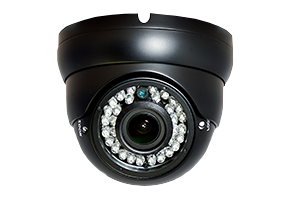
Next comes the task of selecting the right CCTV equipment for the job. Different types of cameras are available, ranging from bullet cameras, to dome cameras and disk cameras. Each type has its own advantages and disadvantages and should be chosen based on the specific needs of the customer. In addition to cameras, other pieces of equipment such as monitors, recorders, lenses and cabling will also be required. All products should be sourced from reputable suppliers and meet the industry standards.
Installing The Cameras
Once the equipment has been selected, it is time to start the installation. Installing CCTV cameras involves mounting them securely to walls or ceilings and connecting them to DVRs. Their positioning is also important as it determines the areas of coverage and the quality of footage recorded. Professional installers will be able to advise customers on the best way to optimize the cameras’ field of vision.
Setting Up the DVRs
The final step in the CCTV installation process is setting up the digital video recorders. These devices will be responsible for recording and storing footage from the cameras. The configuration of the DVRs will depend on the specifics of the job and may involve setting up motion detection, camera settings and back-up storage configurations. Professional installers will make sure that the settings are properly adjusted and that the footage is secure.
Testing the System
Before leaving, the professional installers should test the CCTV system to make sure everything is working correctly. This includes verifying the power supply, assessing the image quality and making sure that the images are clear and sharp. Once they are satisfied with the performance of the system the installers can leave the premises.
Maintenance and Support Services
Finally, it is worth noting that many CCTV companies offer maintenance and support services. These services can help keep the system running optimally and alert customers to any issues that may arise. Regular maintenance can also extend the life of the system and reduce the risk of technical failure.
With the right preparation, equipment and installers, CCTV installation Derby projects can be completed successfully and affordably. This guide should give customers an insight into the process and ensure that their surveillance system is up and running quickly and efficiently.